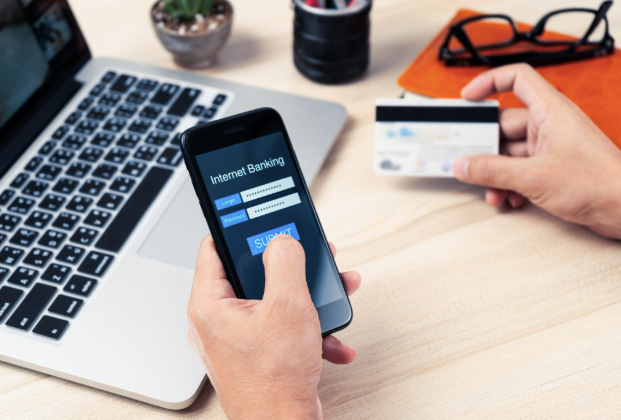

Digital banking platforms and mobile payments are reshaping financial interactions significantly. These innovations provide users with enhanced convenience and speed in managing transactions. Yet, as the adoption spreads, so do concerns over security and fraud. The balance between user experience and protection remains delicate. Understanding how these elements interact will be crucial for stakeholders navigating this evolving landscape. What strategies are emerging to address these pressing security challenges?
The Rise of Digital Banking Platforms: What You Need to Know
As consumers increasingly seek convenience and efficiency in their financial transactions, digital banking platforms have emerged as a transformative force in the financial industry.
This rise is fueled by fintech innovation, enhancing user experience through streamlined processes and personalized services.
As traditional banking models evolve, these platforms empower users with greater control and flexibility, allowing them to navigate their financial journeys with unprecedented ease and confidence.
Exploring Mobile Payments: Benefits for Consumers and Merchants
While traditional payment methods have long dominated the financial landscape, mobile payments are rapidly becoming a preferred choice for both consumers and merchants.
The convenience of mobile wallets allows users to make contactless payments effortlessly, enhancing the shopping experience.
For merchants, adopting mobile payment solutions can streamline transactions, reduce checkout times, and attract a tech-savvy customer base, ultimately fostering growth and efficiency.
Security Challenges in Digital Banking and Mobile Transactions
Security challenges in digital banking and mobile transactions present significant risks for both financial institutions and consumers.
Identity theft remains a pervasive threat, compromising sensitive information and eroding trust.
Effective fraud prevention strategies, including advanced authentication methods and real-time monitoring, are crucial to mitigate these risks.
As digital banking evolves, addressing these vulnerabilities is essential for safeguarding user freedom and financial integrity.
See also: Digital Banking and Mobile Payment Technologies
Future Trends: What’s Next for Digital Banking and Payments?
What innovations will shape the future of digital banking and payments in an increasingly interconnected world?
Blockchain technology promises enhanced security and transparency, while AI integration offers personalized financial services and efficient fraud detection.
These advancements will empower consumers, streamline transactions, and foster trust in digital ecosystems, ultimately reshaping the landscape of financial freedom and accessibility for users worldwide.
Conclusion
In summary, the surge of digital banking platforms and mobile payments signifies a significant shift towards seamless, swift transactions. However, the simultaneous rise in security concerns underscores the necessity for stringent safeguards. As stakeholders strive to strike a balance between convenience and security, the future promises further innovations. The digital finance frontier will continue to flourish, fostering a formidable fusion of technology and trust as it shapes consumer behaviors and merchant practices alike.


 By
By