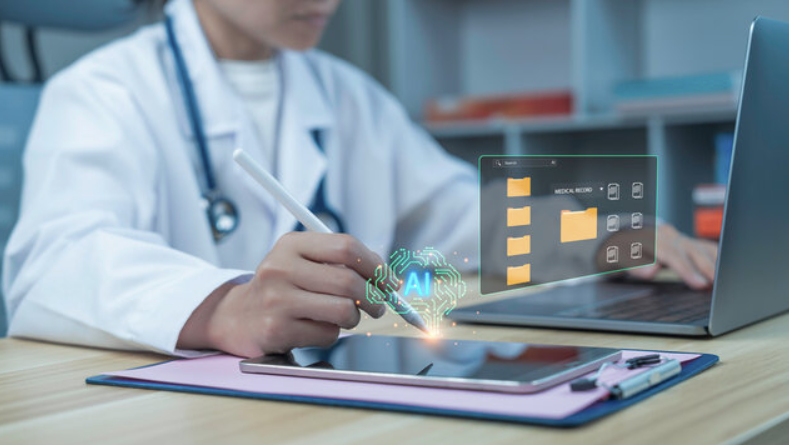

As the digital landscape evolves, cybersecurity trends are set to change significantly by 2025. The integration of AI technologies will enhance threat detection and response, while the surge of IoT devices will demand new security strategies. Cybercriminals are expected to adapt their tactics, prompting a need for more dynamic security measures. Moreover, personal cyber hygiene will play a critical role in combating these emerging challenges. Understanding these developments is essential for effective risk management in the near future.
The Rise of AI-Driven Cybersecurity Solutions
As organizations increasingly confront sophisticated cyber threats, the integration of artificial intelligence (AI) into cybersecurity frameworks has emerged as a crucial strategy.
AI algorithms enhance threat detection through predictive analytics and behavioral analysis, enabling adaptive security measures.
Machine learning facilitates automated responses, while cyber threat intelligence informs decision-making.
This evolution underscores the potential for AI-driven solutions to fortify defenses in an ever-changing threat landscape.
Strategies for Securing IoT Devices in 2025
While the proliferation of Internet of Things (IoT) devices continues to transform various sectors, securing these interconnected systems has become an urgent priority for organizations.
Effective strategies must address IoT vulnerabilities through robust device authentication methods, ensuring each device is verified before access.
Additionally, adopting real-time monitoring and regular updates can further mitigate risks, fostering a safer environment for users and their data.
See also: Cybersecurity Tools Every Business Should Use
Understanding the Evolving Tactics of Cybercriminals
With the rapid advancement of technology and increasing reliance on digital infrastructures, cybercriminals are continuously adapting their tactics to exploit vulnerabilities in systems and networks.
The evolution of ransomware has intensified, utilizing sophisticated encryption methods and targeting critical sectors.
Concurrently, social engineering techniques have become more refined, manipulating human behavior to gain access to sensitive information, thereby posing significant challenges for cybersecurity professionals.
Best Practices for Strengthening Personal Cyber Hygiene
Strengthening personal cyber hygiene is essential in mitigating the risks posed by increasingly sophisticated cyber threats.
Effective password management practices, such as using unique, complex passwords and employing password managers, are crucial.
Additionally, implementing data encryption safeguards sensitive information from unauthorized access.
Conclusion
As the cybersecurity landscape evolves, the integration of AI technology will serve as a double-edged sword, enhancing both defense mechanisms and the sophistication of cyber threats. The imperative to secure IoT devices will create a fortress of innovation, while cybercriminals will continuously refine their tactics. Ultimately, fostering a culture of personal cyber hygiene will act as a vital shield, empowering individuals to navigate this complex digital terrain with resilience and vigilance in 2025 and beyond.


 By
By