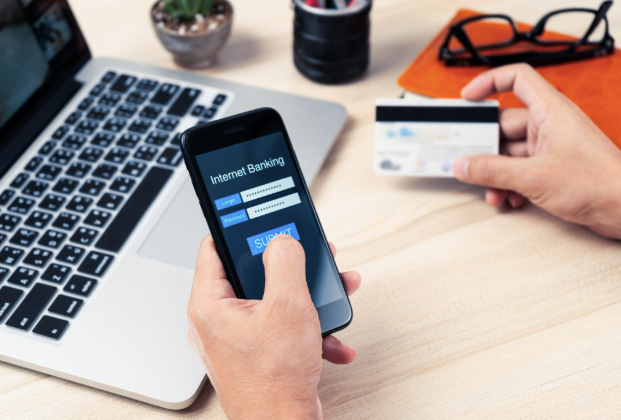

Digital banking and mobile payment technologies have significantly altered financial management. They offer increased accessibility and convenience through features like contactless payments. However, users must carefully assess transaction fees and merchant compatibility. As security measures evolve, the implications for user trust and engagement become paramount. Understanding these dynamics is crucial, as the landscape continues to shift and expand. What innovations might emerge next in this rapidly changing environment?
The Rise of Digital Banking: Key Features and Benefits
As the financial landscape continues to evolve, digital banking has emerged as a pivotal force reshaping how individuals and businesses manage their finances.
With its emphasis on contactless payments, this innovative approach enhances user experience through seamless transactions and reduced friction.
Navigating Mobile Payment Options: What Do You Need to Know?
How can consumers effectively navigate the myriad of mobile payment options available today?
With the rise of mobile wallets and various payment apps, understanding their features is crucial. Users must evaluate transaction fees, compatibility with merchants, and security protocols.
Security Measures in Digital Transactions: Keeping Your Finances Safe
While the convenience of digital transactions offers numerous advantages, the importance of implementing robust security measures cannot be overstated.
Encryption techniques safeguard sensitive data during transmission, effectively thwarting cyber threats. Additionally, biometric authentication adds a layer of security by verifying user identity through unique physical traits.
Collectively, these measures empower individuals to engage in digital banking with confidence, ensuring their financial safety in an increasingly interconnected world.
See also: Cybersecurity Trends in 2025
Future Trends in Digital Banking and Mobile Payments: What to Expect
With the rapid evolution of technology, the landscape of digital banking and mobile payments is poised for significant transformation in the coming years.
Blockchain integration promises enhanced security and transparency, while AI personalization will revolutionize customer experiences through tailored financial solutions.
These advancements will empower users, fostering a new era of financial freedom and efficiency in managing personal finances and transactions.
Conclusion
In an era where cash is gradually becoming a relic, one might ironically find themselves longing for the simplicity of physical currency amidst the complexities of digital banking and mobile payments. As users embrace advanced technologies promising convenience and security, they unwittingly juggle a myriad of fees and compatibility concerns. The future, while dazzling with potential innovations, may reveal that the quest for seamless transactions could paradoxically complicate the very financial freedom these advancements aim to deliver.


 By
By